
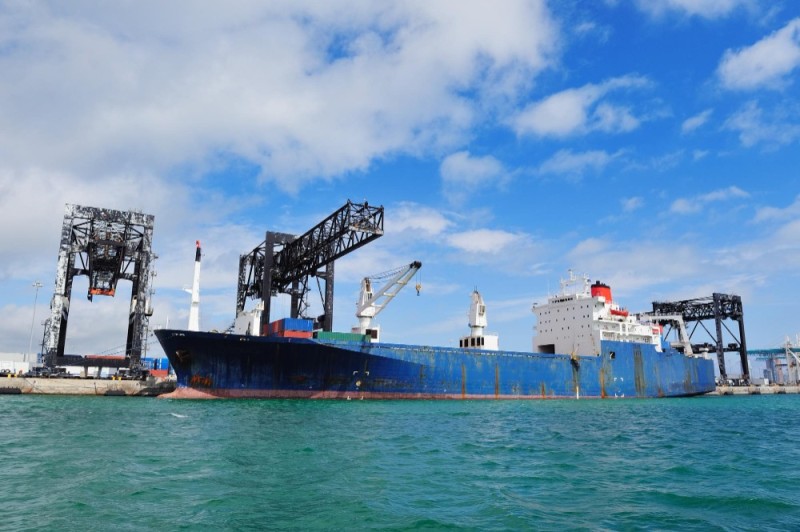
Despite a pledge by European Union countries to cease all imports of Russian liquid natural gas (LNG) by next year, the Netherlands continues to import approximately 12% of its LNG from Russia. This places the Netherlands among five European nations, including Belgium, France, Spain, and Portugal, that maintain LNG imports from Russia. In the early months of this year, Belgium was still receiving 40% of its gas from Russian sources.
Quantifying the exact volume of Russian LNG consumed within the Dutch market proves challenging, as much of the LNG that arrives at Rotterdam’s port is destined for neighboring European countries. However, Jilles van den Beukel of The Hague Centre for Strategic Studies noted that the actual figures are significantly higher than anticipated. While the current import levels are only slightly reduced from the 13% recorded in 2025, they show a marked decrease from 2022, when Russia supplied 34% of the Netherlands’ LNG, coinciding with the full-scale invasion of Ukraine.
The rise in LNG imports during 2025 is attributed to binding long-term purchasing agreements, according to climate and green growth minister Sophie Hermans, which complicates efforts to swiftly sever ties with Russian gas. In response to the ongoing situation, the Institute for Energy Economics and Financial Analysis (IEEFA) has urged European nations to bolster investments in renewable energy sources. This strategy aims to mitigate the risks associated with price volatility and supply disruptions, projecting a potential 14% reduction in gas consumption by 2030, leading to a 23% decrease in demand.
The European Union has set a ban on sea container imports of Russian natural gas starting in 2027, with an earlier cessation of pipeline imports by next spring. In anticipation of this, the Netherlands and other European countries have increasingly sourced LNG from the United States, which now accounts for 77% of their imports. The situation is further complicated by geopolitical tensions, as the closure of the Strait of Hormuz—through which 20% of global liquid gas supplies pass—amid the Iran-USA conflict, has disrupted the EU’s plans to eliminate Russian gas imports and driven up prices.
Jilles van den Beukel expressed concerns that the EU might delay the ban yet again, given the current market conditions. He highlighted the dilemma facing European policymakers: the need to avoid exacerbating the already tight LNG market, which could lead to increased costs, while simultaneously seeking to prevent bolstering Russia’s financial resources amid ongoing geopolitical tensions.