
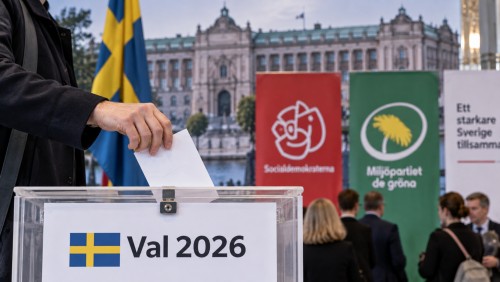
The narrow victory of Sweden’s red-green opposition in the latest election could lead to significant shifts in the country’s political landscape. With the preliminary count giving them 176 seats in the Riksdag, the opposition edges out the Tidö parties, who secured 173 seats. This result might influence Sweden’s future policy directions, especially concerning social and environmental issues.
The Social Democrats, a key player in the red-green opposition, emerged as the largest party with 28.0% of the vote, translating to 99 seats. Although they maintained a strong presence, they experienced a notable loss of eight seats compared to the previous election. Meanwhile, the Moderates followed with 19.8% and 70 seats, while the Sweden Democrats captured 17.5% of the vote, earning 62 seats but experiencing the largest decline, losing 11 seats from their previous count.
Other parties also played crucial roles in the election outcomes. The Left Party, which gained six seats, received 8.4% of the vote, resulting in 30 seats. The Center Party secured 7.0% and 25 seats, while the Christian Democrats and the Green Party each garnered 6.2% and 6.1% of the votes respectively, earning 22 seats each. The Liberals rounded out the list with 5.3% of the vote, translating into 19 seats in the Riksdag.
Voter engagement showed a slight increase, with preliminary turnout figures reaching 84.8%, about 0.6 percentage points higher than in the 2022 election. This heightened participation reflects the electorate’s vested interest in shaping the political future amid the nation’s evolving challenges.
While these results are significant, they remain provisional until the final vote count is completed. This process includes additional checks that could potentially alter the distribution of seats. The outcome of this election emphasizes the dynamic nature of Sweden’s political environment and underscores the potential for policy shifts as the new Riksdag is formed.