
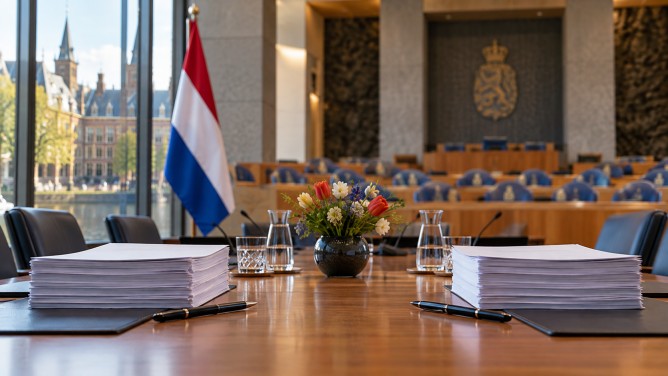
In a strategic move, Dutch opposition parties Pro and Volt have allied to influence budget negotiations with Prime Minister Rob Jetten’s minority government. Their collaboration aims to secure further concessions on social security and household costs, putting pressure on the government to adapt its fiscal plans.
Prime Minister Jetten acknowledged the opposition’s concerns and indicated that his cabinet has prepared a new proposal. This proposal addresses issues related to welfare, the cost of living, and the overhaul of the “Box 3” asset tax system. Pro’s leader, Jesse Klaver, asserted that the partnership between Pro and Volt could be crucial for the government to garner enough parliamentary support to pass the budget, potentially strengthening its position in both legislative houses.
Within the governing coalition, there is tension over the extent of concessions to be made. The VVD party has expressed reservations about significant changes to welfare policies. Despite these concerns, Finance Minister Eelco Heinen has already consented to postpone or cancel around half of the planned €6 billion in welfare cuts, a part of the coalition agreement from earlier this year. However, Pro is pushing for even more substantial alterations.
Complicating the negotiations further are demands from right-wing opposition parties, which advocate for deeper welfare reductions and lower taxes. Meanwhile, the government is also engaging with the ChristenUnie party, which emphasizes assistance for households grappling with rising energy and food prices.
As the government seeks to secure the necessary backing for its budget plans, further discussions are anticipated with other opposition groups, including JA21, the SGP, 50Plus, and the BBB. The outcome of these negotiations will be critical in determining the government’s ability to implement its fiscal policies and address the pressing socio-economic issues facing the country.