
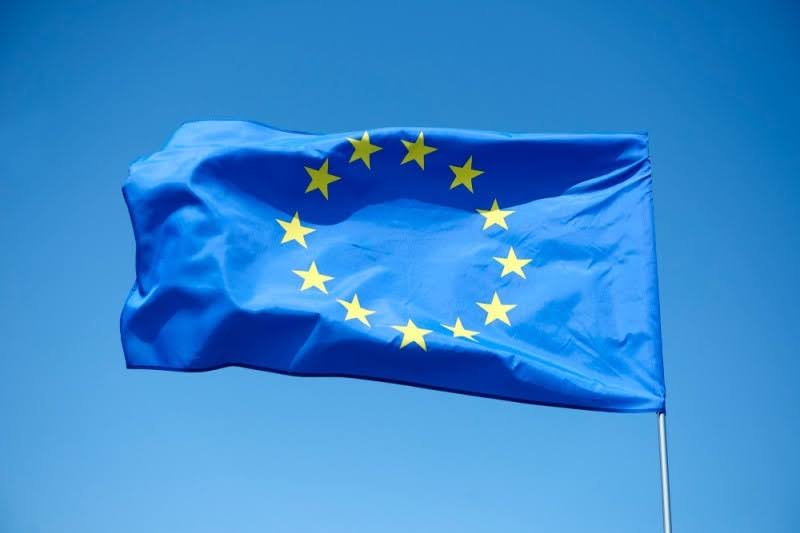
At a summit held in Montenegro, European Union leaders emphasized the necessity for a more efficient and credible process of expanding the bloc, advocating for both the willingness and the capability to admit new members. German Chancellor Friedrich Merz, speaking at the gathering with leaders from six Western Balkan nations, highlighted the EU’s responsibility to prove its readiness to integrate these countries. He pointed out that the bloc has not welcomed any new nations in over a decade, underlining the urgent need for reforms in the accession procedure.
European Commission President Ursula von der Leyen reinforced this message, stressing the need for membership negotiations to become more effective and trustworthy to candidate countries. The summit included representatives from Albania, Bosnia and Herzegovina, Kosovo, Montenegro, North Macedonia, and Serbia, all of whom are aspiring to join the EU. Of these, Montenegro is considered the most advanced candidate, with ambitions to become a member by 2028.
French President Emmanuel Macron highlighted the strategic importance of EU enlargement for the continent’s security, energy independence, and management of migration. He supported the idea of “gradual integration,” which suggests that candidate countries could begin participating in certain EU institutions and initiatives before achieving full membership status. This approach aims to foster closer ties and integration even before formal accession.
The push for expanding the EU has gained traction in the wake of Russia’s invasion of Ukraine, as Brussels sees enlargement as a means to bolster stability and diminish external influences in the region. In addition to the Western Balkans, Ukraine and Moldova are also pursuing membership, further emphasizing the geopolitical significance of the EU’s enlargement strategy.
Despite the growing political backing for expansion, the EU accession process remains a complex and lengthy endeavor. It demands extensive reforms from candidate countries and requires unanimous consent from all 27 member states at various stages. Nonetheless, the recent summit reflects a renewed commitment to integrating these nations into the EU’s future, with leaders advocating for a more streamlined and transparent process.