
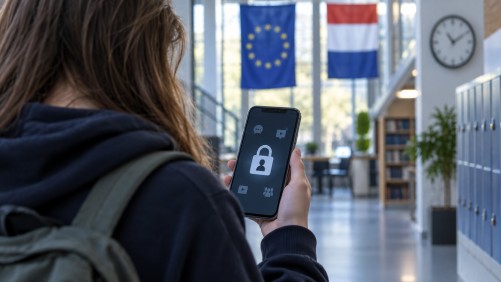
The proposal for a unified minimum age for social media use across the European Union could significantly alter how platforms manage young users, potentially impacting access for millions of teenagers. The Netherlands has joined forces with Spain to advocate for a bloc-wide mandate that would set 15 as the minimum age for social media use, reflecting a growing trend among countries to impose stricter regulations on digital platforms.
This initiative, supported by the Dutch coalition government, aims to establish consistent safety measures akin to those in the physical world, according to Digital Economy Minister Willemijn Aerdts. The proposal calls for the European Commission to implement privacy-friendly age verification systems, addressing a crucial gap in protecting children from online risks.
The move comes amid a wave of national restrictions across the globe. Australia recently set its own minimum age requirement at 16, while France has barred users under 15 from social media platforms. The UK plans to enforce similar restrictions for those under 16 starting in 2027. These actions highlight an international shift towards safeguarding young internet users.
Despite the push for greater safety, privacy advocates have voiced concerns about the potential implications of age verification technologies. The European Commission’s recent attempt to introduce an age-checking app faced criticism after a security researcher found a vulnerability, leading to a necessary security update. This incident underscores the challenges of implementing effective and secure age verification measures.
As the European Commission prepares to present broader proposals on digital policy, the debate over age restrictions continues to gain momentum. The outcome of these discussions could redefine the digital landscape for minors in Europe, balancing the need for protection with privacy considerations.