
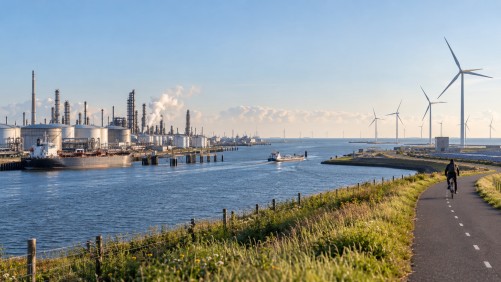
The Netherlands’ newly unveiled roadmap to phase out fossil fuels is poised to reshape the country’s energy landscape and align with global climate commitments. While the plan outlines a future less reliant on oil, gas, and coal, practical implications reveal a mixed bag of progress and setbacks. The Dutch government has committed to shutting down coal-fired power plants by 2030, yet other climate objectives have faced delays or reductions, impacting how quickly the country can transition to cleaner energy sources.
This roadmap comes ahead of the UN Climate Change Conference in Turkey, where international discussions on fossil fuel reduction will be a focal point. Despite being only the second country after France to publish such a detailed phase-out plan, the Netherlands has scaled back its offshore wind capacity targets and abandoned its goal of achieving a carbon-free electricity grid by 2035. Additionally, the nation is unlikely to meet the European Union’s target for a 90% emissions reduction by 2040, highlighting the challenges in balancing ambition with feasibility.
While climate experts have endorsed the roadmap as a significant step forward, environmental advocates have criticized it for lacking a definitive timeline to completely cease fossil fuel usage. This absence underscores a broader tension in environmental policy: the balance between setting aspirational goals and implementing realistic, actionable strategies that account for economic and infrastructural constraints.
France’s roadmap, which serves as a benchmark for such initiatives, includes specific targets for phasing out different fossil fuels, aiming to end coal use by 2030, oil by 2045, and gas by 2050. The Netherlands’ position, however, reflects a more cautious approach, likely influenced by logistical hurdles and the current energy market dynamics.
The Dutch government’s publication of the roadmap signals its intent to actively contribute to international climate efforts, even as it navigates the complexities of transitioning its own energy framework. As nations prepare for the upcoming climate conference, the Netherlands’ plan will undoubtedly be scrutinized both for its ambition and its practicality in the face of global climate imperatives.