
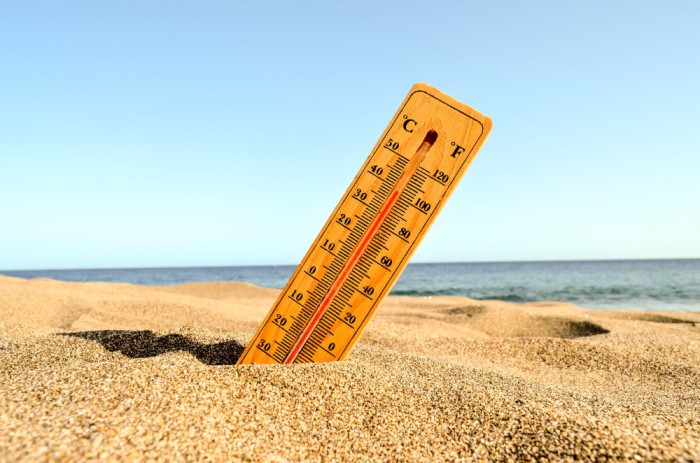
The Netherlands is bracing for potentially record-breaking temperatures this week, as forecasts suggest the mercury could rise to between 37°C and 38°C in the southern regions. Meteorologists caution that these temperatures, expected from midweek, could rival the country’s highest-ever recorded June temperatures. Hot air moving northward from southern Europe is driving this surge, with predictions indicating that temperatures across much of the Netherlands could range from 32°C to 38°C starting Wednesday. By Thursday and Friday, even hotter conditions are anticipated.
Historically, the highest temperature recorded in June in the Netherlands was 38.4°C in Maastricht on June 27, 1947. Current projections suggest that this record might be in jeopardy if the forecasted heat continues as expected. Although the nation has not officially declared a national heatwave—an event defined by at least five consecutive days above 25°C, including three days over 30°C—such conditions could materialize as soon as Wednesday or Thursday. Meanwhile, the southeastern parts of the country have already experienced a regional heatwave.
This sweltering weather in the Netherlands is part of a larger trend affecting Europe, where extreme temperatures have become more frequent. France recently recorded temperatures of 41°C and has issued its highest weather alerts. Similarly, regions in Spain, Germany, and the United Kingdom are grappling with unseasonably high temperatures for June. Scientists attribute the growing frequency and intensity of these heatwaves to global warming, noting that occurrences that were once decadal are now happening roughly every three years and with greater severity.
The anticipated heatwave follows a weekend of severe storms in the Netherlands, which reportedly caused one fatality. In light of the escalating temperatures, the Dutch National Institute for Public Health and the Environment (RIVM) has announced a nationwide heat warning, set to take effect on Thursday. This proactive measure underscores the urgency and potential risks associated with the impending extreme weather conditions.