
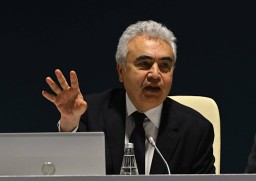
The Iran energy crisis has demonstrated with brutal clarity that treating energy security as a second-tier policy priority — beneath economic growth, climate policy, or other concerns — is a catastrophic strategic error, the head of the International Energy Agency has warned. Fatih Birol, speaking in Canberra, said the scale of the economic damage being caused by the current supply disruption — equivalent to the combined force of the 1970s twin oil shocks and the Ukraine gas emergency — showed what happened when energy security was not given the priority it deserved. He called for a fundamental elevation of energy security in national and international policy agendas.
Birol said that in the years before the crisis, energy security had been treated by many governments as a background condition — something to be maintained with modest investment and attention while other policy priorities received greater focus and resources. The Iran crisis had shown what the consequences of that approach looked like when the background condition catastrophically failed. He said no government could claim it had not been warned.
The conflict began February 28 with US and Israeli strikes on Iran and has since removed 11 million barrels of oil per day and 140 billion cubic metres of gas from world markets. At least 40 Gulf energy assets have been severely damaged, and the Hormuz strait — through which approximately 20 percent of global oil flows — remains closed. The IEA deployed 400 million barrels from strategic reserves on March 11 in its largest emergency action.
Birol confirmed further releases were under consideration and said consultations with governments across three continents were ongoing. He called for demand-side policies including remote work, lower speed limits, and reduced commercial aviation. He met with Australian Prime Minister Anthony Albanese and said the current crisis had made the case for energy security being treated as a first-tier national security priority in Australia and everywhere else.
Trump’s 48-hour ultimatum to Iran to reopen the strait expired without result, and Tehran threatened retaliatory strikes on US and allied energy and water infrastructure. Birol concluded by issuing a challenge to every government in the world: if energy security was not a first-tier priority in their national policy agenda by the time the current crisis was resolved, it never would be. He said the moment demanded a permanent and fundamental elevation of energy security in the hierarchy of global governance priorities.