
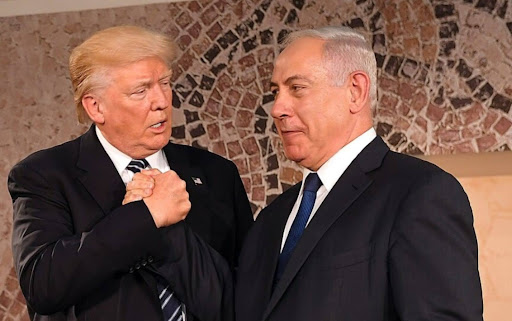
The South Pars gas field strike raises questions that extend beyond strategy and alliance management into the moral and legal dimensions of armed conflict. Striking civilian energy infrastructure — even that which funds a state’s military activities — involves considerations of proportionality, distinction, and civilian harm that international humanitarian law addresses directly. For Trump, part of the objection to the strike appears to have been grounded in a practical and potentially moral concern about its broad consequences. For Netanyahu, the military logic overrode those concerns.
South Pars is not a military facility in the traditional sense. It is a gas field that produces the energy and revenue that underpin the Iranian state — a state whose military and nuclear activities Israel and the United States are trying to degrade. The distinction between legitimate military targets and civilian infrastructure is a foundational principle of international humanitarian law, and economic facilities that contribute to a state’s war-making capacity occupy a contested gray zone in that framework.
Iran’s retaliatory strikes on regional energy infrastructure raise parallel questions. Targeting energy facilities in Gulf states that are not parties to the conflict — imposing energy market disruption on populations and economies that bear no responsibility for Netanyahu’s military decisions — involves the same questions of proportionality and distinction that the South Pars strike does. Both actions, viewed through humanitarian law, require justification in terms of military necessity, proportionality, and precaution.
These moral and legal dimensions do not simplify the political and strategic analysis between Trump and Netanyahu — but they add context that the South Pars episode’s consequences make relevant. The energy price spike, the regional infrastructure damage, and the economic harm imposed on civilian populations were not merely strategic problems — they were human costs that international frameworks were designed to limit.
Director of National Intelligence Gabbard’s confirmation of different objectives between Trump and Netanyahu does not resolve these moral questions. But the episode is a reminder that wars are not only strategic events — they are human events, with moral dimensions that ultimately matter for how they are conducted, judged, and remembered.