
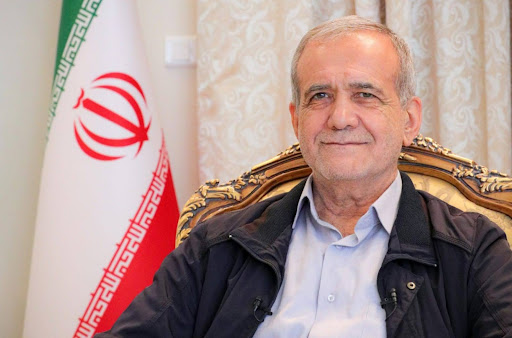
As Iranian retaliatory strikes continue to hit Gulf territory, President Masoud Pezeshkian is simultaneously urging Gulf nations to break free from the foreign military grip that he says is making them targets. In a post on X, Pezeshkian called on these governments to deny the United States and Israel the ability to use their lands to direct the war against Iran. His message carried both a military reality and a diplomatic appeal.
Gulf countries including Saudi Arabia, the UAE, Kuwait, Oman, and Qatar have been drawn into the conflict through their hosting of US military facilities. American forces have struck Iran from those bases, and Iran has retaliated with strikes in those same countries. The dual pressure — American military reliance and Iranian retaliation — has placed Gulf governments in an extraordinarily difficult position.
Pezeshkian was explicit about Iran’s defensive posture, saying the country does not initiate attacks but will respond decisively if its economic or infrastructure targets are hit. He urged Gulf leaders to act in their own best interests by refusing to host enemy military operations, framing neutrality as the key to protecting their development and security. The message was both a warning and an appeal for regional recalibration.
On the diplomatic front, Pakistan has taken on a pivotal mediating role. Prime Minister Shehbaz Sharif revealed that Pezeshkian told him trust is a prerequisite for any productive peace negotiations. Pakistan is organizing a major diplomatic gathering in Islamabad that will bring together the foreign ministers of Saudi Arabia, Egypt, and Turkey to discuss pathways to de-escalation.
Pakistan’s Ishaq Dar will lead the ministerial talks and meet with Prime Minister Sharif as well. Iran has expressed appreciation for Pakistan’s constructive diplomatic engagement. Whether the Islamabad talks can translate goodwill into a concrete ceasefire framework will be the key measure of success in the days ahead.